
5 Reasons Why Quality Matters When Buying Durable Medical Equipment
The healthcare industry depends heavily on the reliability and performance of the tools used every day to support patient care. From diagnostic devices to mobility aids and monitoring systems, the quality of medical equipment can directly influence treatment outcomes, patient safety, and the efficiency of healthcare operations. As healthcare demands grow and technologies evolve, providers must be increasingly selective when choosing the equipment that supports their services.
Investing in durable and dependable medical equipment is not simply a matter of convenience. It plays a crucial role in ensuring safe treatment environments, reducing long-term operational costs, and improving patient satisfaction. Healthcare facilities that prioritize quality equipment are better positioned to deliver consistent, effective care while maintaining operational efficiency. Understanding the broader benefits of high-quality medical equipment helps organizations make smarter purchasing decisions that support both patient well-being and institutional success.
Enhancing Patient Safety
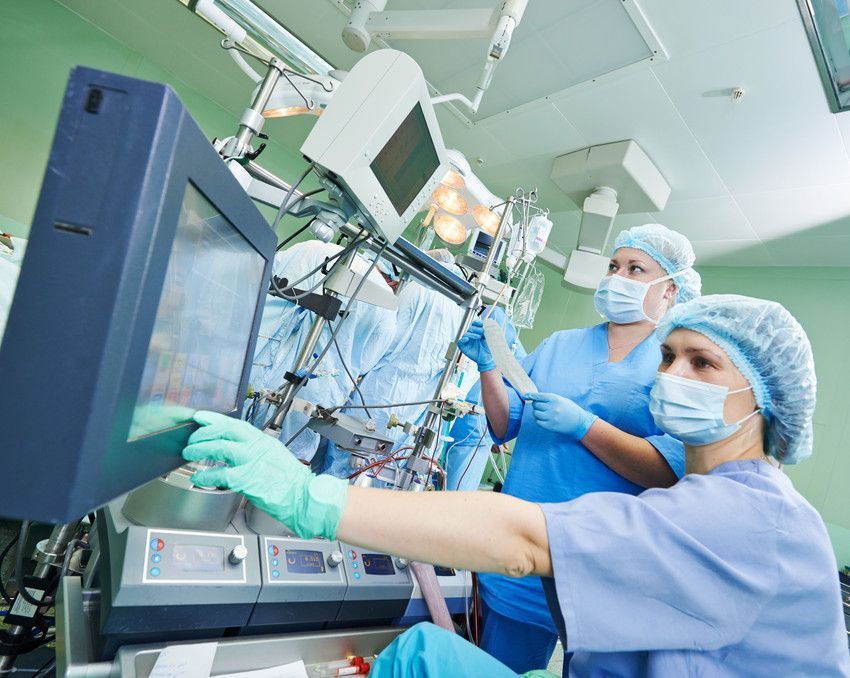
Patient safety is one of the most critical priorities in any healthcare environment, and reliable medical equipment plays a vital role in maintaining that standard. Devices that are carefully designed, rigorously tested, and manufactured using high-quality materials significantly reduce the risk of malfunctions during use. In clinical settings where precision and reliability are essential, equipment failure can delay treatment or create serious safety concerns.
High-quality equipment is built to withstand the demands of daily healthcare use. Many devices are subjected to strict performance testing to ensure they function consistently across different environments and conditions. This reliability allows healthcare professionals to focus fully on patient care without worrying about equipment interruptions.
Durability is another important factor contributing to patient safety. Equipment that is constructed with strong, resilient materials can handle repeated use without degrading in performance. From hospital beds and wheelchairs to monitoring devices and therapy equipment, well-built tools help ensure that patients receive uninterrupted care.
Reliable performance also supports clinical confidence. When healthcare providers trust the equipment they are using, they can perform procedures and deliver treatments more efficiently. Consistent functionality allows staff to maintain steady workflows and reduces the likelihood of complications caused by unreliable tools.
Reducing Long-Term Costs
While high-quality medical equipment may require a larger upfront investment, it often proves far more cost-effective over time. Lower-quality devices may initially appear more affordable, but frequent repairs, replacements, and downtime can quickly increase overall operational expenses.
Durable equipment tends to have a longer service life, which reduces the need for repeated purchases. Healthcare organizations that invest in dependable tools can avoid the ongoing costs associated with constantly replacing worn or malfunctioning equipment. Over time, these savings can be substantial.
Maintenance expenses also tend to be lower when equipment is built with quality components. Reliable devices typically require fewer service calls and less frequent part replacements. This helps healthcare facilities maintain predictable budgets and allocate resources more effectively.
In addition, stable equipment performance minimizes disruptions in daily operations. When equipment breaks down unexpectedly, it can delay patient care, interrupt workflows, and require staff to spend valuable time resolving technical issues. Investing in dependable medical equipment helps prevent these disruptions and keeps healthcare environments operating smoothly.
The broader industry also reflects the importance of reliable equipment investment. According to IBISWorld, sector-wide revenue for the wholesale trade industry is expected to grow at an annual rate of 4.2%, reaching $16.4 trillion by the end of 2025. This steady growth highlights the increasing demand for durable goods, including medical equipment, as healthcare systems expand and modernize.
Supporting Better Patient Outcomes
High-quality medical equipment can significantly influence patient recovery and overall treatment success. Accurate diagnostics, effective therapies, and dependable monitoring systems all rely on well-designed equipment that performs consistently under clinical conditions.
One of the most important advantages of quality equipment is the accuracy it provides. Diagnostic devices that deliver precise readings allow healthcare providers to identify conditions earlier and develop targeted treatment plans. When medical professionals have confidence in their diagnostic tools, they can make informed decisions that improve patient outcomes.
Reliable treatment equipment also contributes to faster recovery times. Devices used in therapy, rehabilitation, or patient monitoring must perform consistently to support effective treatment plans. When these devices operate smoothly, patients receive the full benefit of the care being provided.
Patient comfort is another factor influenced by equipment quality. Devices designed with ergonomic features and patient-centered design help create a more comfortable healthcare experience. Whether a patient is using mobility equipment, therapy tools, or hospital furnishings, comfort can significantly affect their overall satisfaction and willingness to engage with treatment.
When healthcare facilities invest in dependable tools, they create an environment where both staff and patients feel supported. Consistent equipment performance helps maintain high standards of care and reinforces the commitment to patient wellbeing.
Adapting to Technological Advancements
Healthcare technology continues to evolve rapidly, and modern medical equipment is increasingly designed to integrate with digital systems and data-driven platforms. High-quality devices often include advanced capabilities that help healthcare organizations stay aligned with technological developments.
Integration is a major advantage of modern equipment. Many devices are built to connect with electronic health record systems and other digital platforms, allowing healthcare providers to share and analyze patient data more efficiently. This interconnected approach supports coordinated care and improves communication between departments.
Data collection and analysis have also become essential components of modern healthcare. Advanced equipment can capture real-time information about patient health, treatment progress, and device performance. These insights allow healthcare teams to identify patterns, monitor conditions, and make adjustments to care plans when necessary.
Future readiness is another key benefit of high-quality equipment. Many modern devices are designed with upgrade capabilities or adaptable features that allow them to remain relevant as technology evolves. Rather than becoming obsolete quickly, these devices can be updated to support new advancements.
By choosing equipment that incorporates modern technology, healthcare facilities can improve efficiency while preparing for future innovations. Investing in adaptable medical equipment ensures that organizations remain competitive and capable of meeting evolving patient needs.
Building Trust and Strengthening Reputation
The quality of equipment used within a healthcare facility can influence how patients perceive the care they receive. Reliable medical equipment helps build trust by demonstrating a clear commitment to safety, professionalism, and high standards of treatment.
Patients often feel more confident when they see modern, well-maintained equipment being used during their care. Reliable tools signal that the healthcare provider prioritizes quality and invests in maintaining an environment that supports effective treatment.
Healthcare professionals also benefit from working with dependable equipment. When staff members trust the tools available to them, they can perform their duties more efficiently and focus fully on patient care. This confidence contributes to smoother workflows and stronger teamwork across departments.
A facility's reputation can also grow through positive patient experiences. Satisfied patients are more likely to recommend a healthcare provider to friends, family members, and colleagues. These referrals help organizations expand their reach and strengthen their standing within the community.
High-quality equipment contributes to these positive experiences by supporting reliable treatment, comfortable care environments, and efficient service delivery. Over time, this investment reinforces the organization's reputation as a trustworthy provider of healthcare services.
The importance of selecting high-quality medical equipment extends far beyond simple functionality. Reliable devices support patient safety, reduce long-term operational costs, and contribute to improved treatment outcomes. They also enable healthcare providers to keep pace with technological advancements while maintaining efficient workflows.
As healthcare demands continue to grow, the need for dependable and durable equipment will only become more significant. Facilities that prioritize quality investments position themselves to deliver better care, enhance patient satisfaction, and maintain strong reputations within their communities.
Ultimately, choosing the right medical equipment is a strategic decision that influences nearly every aspect of healthcare delivery. By focusing on reliability, durability, and innovation, healthcare organizations can build stronger systems that support both patient well-being and long-term operational success. For more information about the services that we offer, reach out to our incredible team at Collins Wholesale Supplies today!



Share On: